In the middle of Illinois corn country, a quiet food revolution is taking root. Local farmers aren’t just growing crops. They are feeding families and changing lives.
“Farmers Feeding Families” is more than a slogan. It is a growing network of programs linking agriculture with hunger relief. From student-run cornfields to statewide food bank partnerships, Central Illinois farmers are showing what it means to care for your neighbors in a big, practical way.
Farming for Good in Champaign County
Let’s start in Champaign County, where a unique collaboration is turning farmland into a food security engine. Here, the United Way rents over 70 acres from the Champaign School District. But instead of just leasing it out to the highest bidder, they are putting students to work.
Agriculture students from Parkland College take charge of the land, growing corn and soybeans as part of their training. They handle everything, gaining hands-on experience that goes far beyond the classroom.
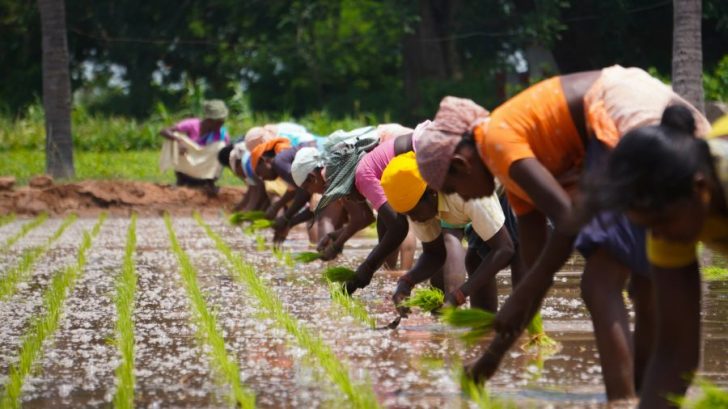
Deepak / Unsplash / When harvest season wraps up, they don’t just cash out. Every dollar from the crop sales goes straight into the fight against hunger.
Since launching in 2014, this program has raised over $273,000 for local food programs. That is real money helping fill real shelves.
Groups like the Eastern Illinois Foodbank and Meals on Wheels benefit directly. School food pantries get stocked. Families get fed. It is farming with purpose, driven by education and fueled by community. And it is all happening right in the heart of Central Illinois.
Scaling Up Across the State
Zooming out, the statewide reach of “Farmers Feeding Families” expands through Feeding Illinois, the group behind the state’s network of food banks. Their programs take things even further, directly connecting farm-fresh goods with people in need, and doing it at scale.
The Farm to Food Bank Program is one of their strongest tools. It buys fruits, vegetables, and other products straight from Illinois farmers, then ships them across all 102 counties. In 2023 alone, the program moved nearly a million pounds of produce.
You bet! It is a smart fix that creates long-term impact without wasting a single crop.
Turning Grain Into Local Protein
Another smart idea under the Feeding Illinois umbrella is “Grain for Good.” Instead of donating cash, grain farmers donate a portion of their actual harvest, such as corn, soybeans, and wheat. These are then converted into dollars used to buy pork from Illinois hog farmers.
The pork is processed and sent to food pantries, especially in the communities where the grain was grown. That’s hyper-local food relief: Farmers helping their own towns, using their own products. It is efficient, personal, and powerful.
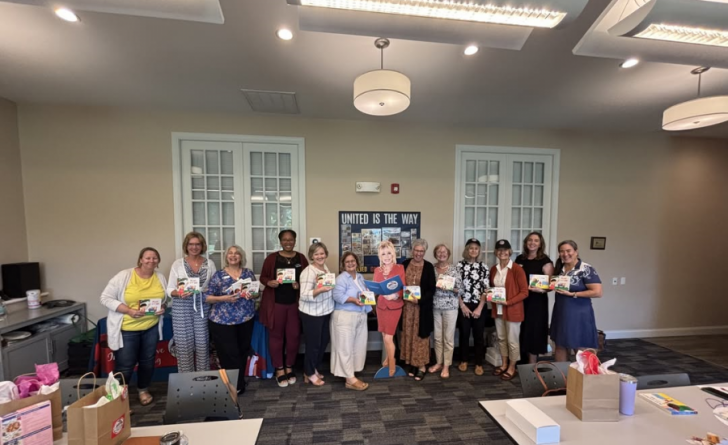
Uwchampaign / IG / These partnerships give farmers a clear role in solving food insecurity while boosting their businesses.
Hunters are also pitching in. The “Hunters Feeding Illinois” program allows hunters to donate harvested deer to local food banks. The venison is processed into ground meat and distributed across the state.
In 2023, the program produced over 12,000 pounds of lean, healthy protein. That is thousands of meals for families who might otherwise go without. It is also a great example of how diverse communities can come together to combat hunger in innovative ways.
What ties all of this together is local leadership, smart partnerships, and a no-nonsense approach to food insecurity. These programs aren’t built on speeches or slogans. They are built on sweat, soil, and a deep belief that no one in Illinois should go hungry.
Farmers, students, hunters, and nonprofits all play a role. And they don’t wait around for solutions. They grow them, harvest them, and deliver them by hand if that is what it takes.
What is happening in Central Illinois could easily be a model for the rest of the country. It is practical, scalable, and most of all, it works. In a time when food insecurity remains a stubborn problem, these efforts are cutting through the noise and getting food to where it is needed most.